“Mumbai Weather LIVE: IMD Issues Third Red Alert for August 19, 2025”
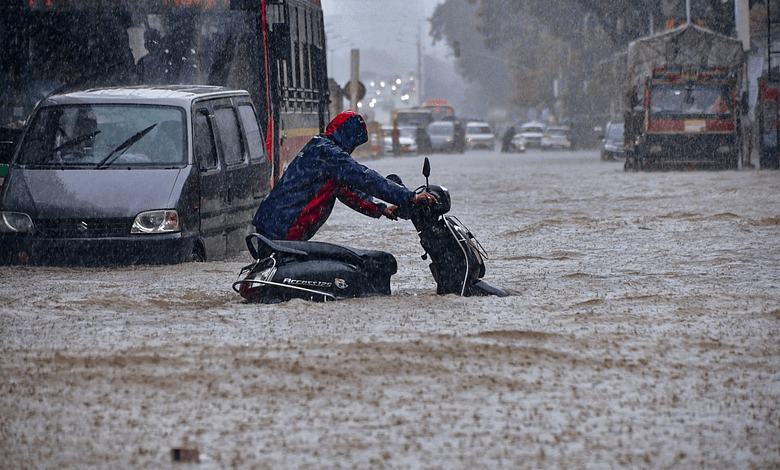
“Mumbai Weather Red Alert: IMD Issues Third Consecutive Warning August 19, 2025”
The India Meteorological Department (IMD) has issued its third consecutive red alert warning for Mumbai, Thane, Palghar, and surrounding districts, signaling an unprecedented weather crisis that demands immediate attention and preparedness. Current meteorological data from Palghar shows alarming conditions with 86% humidity, complete cloud cover, and sustained winds reaching 24 mph from the west-northwest direction, creating a perfect storm scenario for the Mumbai metropolitan region. The forecast indicates a sustained period of very windy conditions with heavy rainfall expected to persist through the weekend, with Wednesday anticipated to bring particularly severe weather, including very strong winds and heavy downpours that could significantly impact daily life and infrastructure across the region.https://www.mindviewmagazine.com/
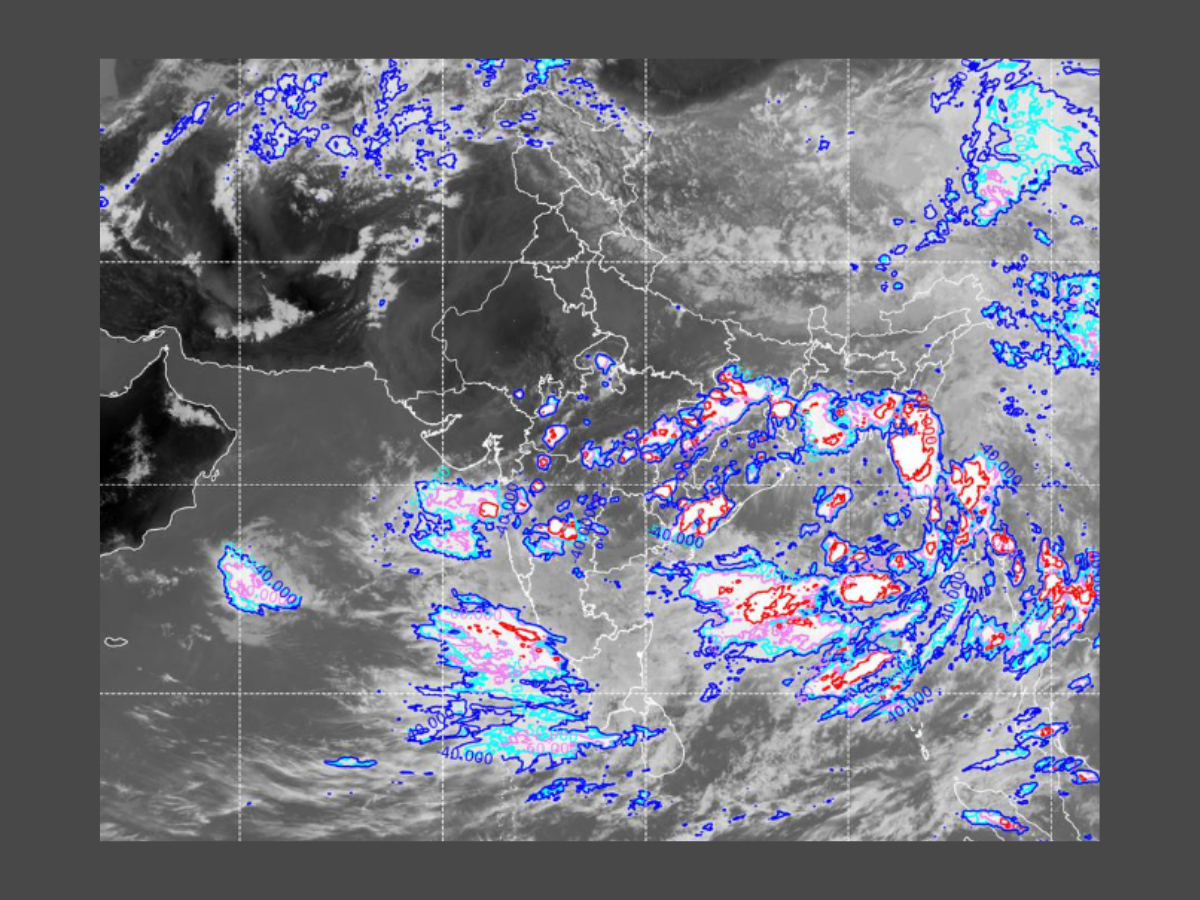
Satellite image showing monsoon cloud activity over Mumbai and the Arabian Sea with highlighted precipitation areas economictimes
Current Meteorological Conditions and Analysis
The current weather situation in the Mumbai metropolitan region presents a complex and concerning meteorological pattern that meteorologists are closely monitoring. As of Tuesday evening, August 19, 2025, weather stations in Palghar are reporting temperatures of 27°C (82°F), which while seemingly moderate, are accompanied by extremely high humidity levels of 86% that create oppressive atmospheric conditions. The presence of complete cloud cover at 100% indicates a well-established weather system that has settled over the region, blocking all solar radiation and creating the ideal conditions for sustained precipitation events.
Wind patterns are particularly noteworthy, with sustained speeds of 24 mph coming from the west-northwest direction, suggesting the presence of a strong low-pressure system that is drawing moisture-laden air from the Arabian Sea inland toward the Western Ghats. This wind direction is typical of monsoon systems that bring heavy rainfall to the Mumbai region, as the orographic lifting effect of the Western Ghats forces the moisture-rich air masses upward, leading to condensation and precipitation. The current visibility has been reduced to just 5 miles, indicating the presence of heavy moisture in the atmosphere and possible light precipitation or mist that could develop into more significant rainfall events.
The atmospheric pressure reading of 30 inches suggests a relatively stable but moisture-laden atmosphere, while the UV index of 0 confirms the complete absence of solar penetration through the thick cloud cover. Current precipitation measurements show no active rainfall at the moment of observation, but this should not be interpreted as a sign of improving conditions, as the forecast clearly indicates that significant weather events are imminent. The combination of these meteorological factors creates what weather experts describe as a “loaded gun” scenario, where all the ingredients for severe weather are present and aligned.
Extended Weather Forecast and Pattern Analysis
The extended forecast for the Mumbai metropolitan region reveals a concerning pattern of sustained severe weather that will challenge both infrastructure and residents’ daily routines for the remainder of this week and into the weekend. Tuesday’s forecast calls for windy conditions with rain, marking the beginning of what appears to be a prolonged period of unsettled weather. This initial phase will serve as a precursor to more severe conditions expected to develop as the week progresses.
Wednesday, August 20, presents the most serious threat with forecasters predicting very windy conditions accompanied by rain, some of which is expected to be heavy. This represents an escalation from Tuesday’s conditions and suggests that the weather system will intensify overnight, drawing additional moisture from the Arabian Sea and creating the potential for flash flooding in low-lying areas and poor drainage zones. The designation of “very windy” conditions indicates sustained wind speeds that could potentially cause damage to temporary structures, signage, and vegetation, while also making travel conditions hazardous, particularly for two-wheelers and high-sided vehicles.
Thursday through the weekend shows a pattern of persistence that is characteristic of well-established monsoon systems, with Thursday forecast to bring windy conditions with times of rain, suggesting a more intermittent but still significant precipitation pattern. Friday’s forecast indicates a slight moderation with windy conditions and a little rain, which might provide some respite for emergency services and cleanup efforts. However, Saturday and Sunday both show windy conditions with periods of rain, indicating that the weather system will maintain its grip on the region well into the weekend.
This extended pattern of unsettled weather is particularly concerning from a public safety and infrastructure perspective, as sustained periods of rainfall and wind can lead to cumulative effects including soil saturation, increased risk of landslides in hilly areas, and overwhelming of drainage systems that may have been adequate for shorter-duration events. The persistence of windy conditions throughout this period also suggests that power outages from falling trees and damaged power lines could be a recurring issue, complicating recovery efforts and emergency response.
Red Alert Implications and Emergency Preparedness
The issuance of a third consecutive red alert by the India Meteorological Department represents the highest level of weather warning and indicates that extremely severe weather conditions pose a significant threat to life and property across Mumbai, Thane, Palghar, and surrounding districts. Red alert warnings are typically issued when weather conditions are expected to have a major impact on day-to-day activities and could potentially cause loss of life, damage to property, and major disruption to transportation and communication networks.
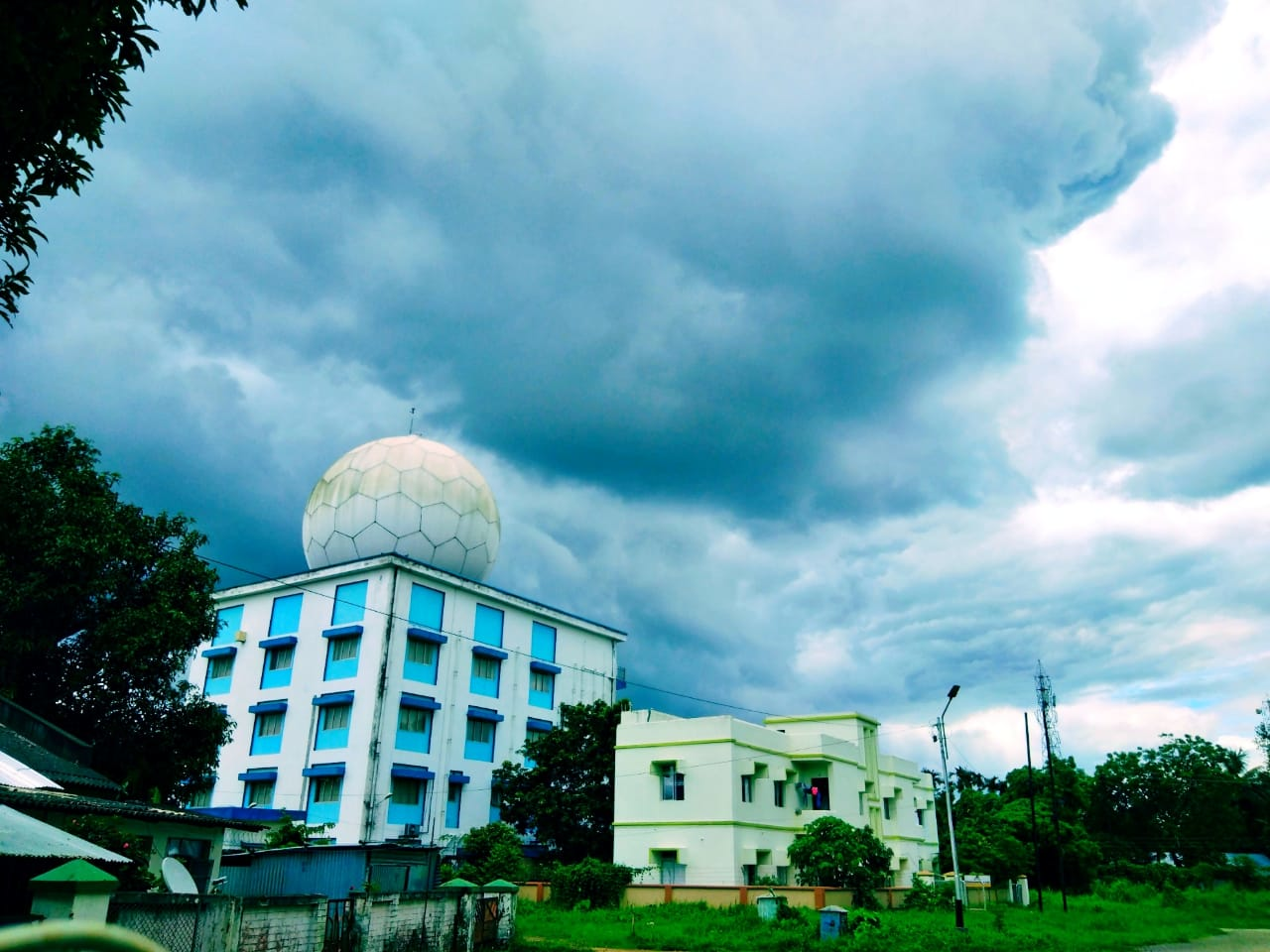
India Meteorological Department radar station building with its distinctive radome under a cloudy sky mausam.imd.gov
The escalation to a third red alert suggests that initial weather models have been validated by observed conditions and that the meteorological situation is developing as predicted or potentially worse than originally anticipated. This level of warning triggers specific emergency protocols across multiple government agencies, including the Mumbai Municipal Corporation, state disaster management authorities, and emergency services. The persistence of red alert conditions over multiple days is relatively rare and indicates that this is not a typical monsoon weather event but rather an exceptional meteorological situation.
Emergency preparedness measures should include the stocking of essential supplies such as drinking water, non-perishable food items, battery-powered devices, and emergency medications for at least 72 hours. Residents in low-lying areas and areas prone to flooding should consider temporary relocation to higher ground or designated emergency shelters. The high humidity levels of 86% combined with reduced visibility create particularly hazardous driving conditions, and non-essential travel should be avoided during peak weather periods.
Critical infrastructure operators, including power companies, telecommunications providers, and water treatment facilities, typically implement enhanced monitoring and rapid response protocols during red alert periods. The sustained nature of this weather event means that repair crews may face extended periods where outdoor work is dangerous or impossible, potentially leading to prolonged service disruptions. Citizens should prepare for possible power outages, water supply interruptions, and communication network disruptions.
Impact on Transportation and Urban Infrastructure
Mumbai’s vast transportation network faces unprecedented challenges during extended periods of severe weather, particularly when conditions include the combination of heavy rainfall, strong winds, and poor visibility predicted for this weather event. The suburban railway system, which serves as the lifeline for millions of daily commuters, is particularly vulnerable to disruption during monsoon conditions, especially when combined with sustained winds that can affect overhead electrical systems and signal infrastructure.
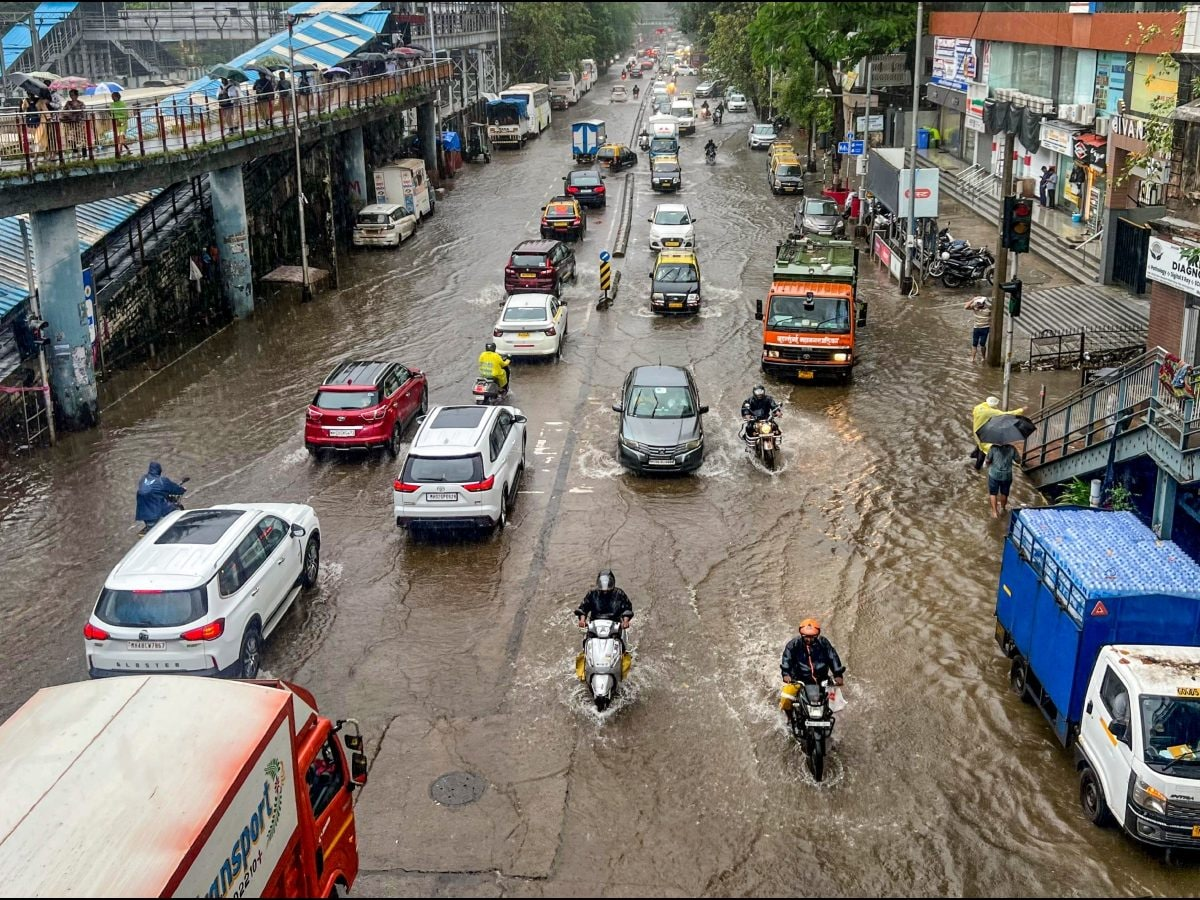
Mumbai street heavily waterlogged during monsoon rains with vehicles navigating through floodwater news18
The current wind speeds of 24 mph from the west-northwest direction pose specific challenges for the city’s transportation infrastructure. Airport operations at Chhatrapati Shivaji Maharaj International Airport are likely to experience significant disruptions, with potential flight delays and cancellations as crosswinds and reduced visibility make landing and takeoff operations hazardous. The airport’s proximity to the Arabian Sea makes it particularly susceptible to monsoon weather systems approaching from the west.
Road transportation faces multiple hazards during this weather pattern, including reduced visibility currently at 5 miles, which can deteriorate further during active precipitation. The combination of wet road surfaces, strong winds, and poor visibility creates dangerous conditions for all vehicle types, but particularly affects two-wheelers and high-sided vehicles. Mumbai’s complex network of flyovers and bridges becomes especially treacherous during windy and rainy conditions, as these elevated structures are more exposed to crosswinds and can experience rapid water accumulation.
The city’s drainage infrastructure, already challenged by rapid urbanization and aging systems, will face severe testing during the predicted period of sustained rainfall. Areas of South Mumbai, particularly those reclaimed from the sea, are especially vulnerable to flooding when high tides coincide with heavy rainfall, creating a backup effect that can overwhelm drainage capacity. The forecast pattern of intermittent heavy rain over multiple days means that drainage systems will have limited time to clear accumulated water before the next precipitation event begins.
Agricultural and Economic Implications
The extended period of severe weather predicted for the Mumbai metropolitan region will have significant implications for agricultural activities in surrounding districts, particularly Palghar, where current conditions already show the impact of the weather system. The agricultural sector in these regions, which includes various cash crops, fruits, and vegetables that supply the Mumbai market, faces potential damage from excessive rainfall, strong winds, and poor drainage conditions.
High humidity levels of 86% combined with cloudy conditions and intermittent heavy rainfall create ideal conditions for fungal and bacterial plant diseases, which can devastate crops if left uncontrolled. The sustained nature of the weather pattern, extending through the weekend, means that farmers will have limited opportunities to implement protective measures or conduct necessary field operations such as drainage management and crop protection activities.
The economic impact extends beyond agriculture to affect various sectors of Mumbai’s economy. The financial capital’s business district may experience reduced productivity as transportation difficulties prevent employees from reaching workplaces, while the sustained nature of the weather event could lead to supply chain disruptions affecting both local and regional commerce. Port operations at the Jawaharlal Nehru Port Trust and Mumbai Port Trust face potential disruptions from high winds and rough seas, which could affect cargo handling and shipping schedules.
Small businesses and informal sector enterprises, which form a significant portion of Mumbai’s economy, are particularly vulnerable during extended periods of severe weather. Street vendors, construction workers, and various service providers may face multiple days of reduced or suspended operations, creating economic hardship for thousands of families dependent on daily earnings. The tourism sector, already sensitive to weather conditions, will likely experience cancellations and reduced visitor numbers during this period.
Public Health and Safety Considerations
The combination of high humidity, persistent cloud cover, and intermittent rainfall creates specific public health challenges that residents of the Mumbai metropolitan region must address proactively. The current humidity level of 86% in Palghar is indicative of conditions that promote the growth of mold, fungi, and bacteria, which can exacerbate respiratory conditions and create new health concerns for vulnerable populations.
Vector-borne disease risks increase significantly during extended periods of rainfall and high humidity, as stagnant water collections provide breeding grounds for mosquitoes that transmit diseases such as dengue, chikungunya, and malaria. The forecast pattern of intermittent rain over multiple days is particularly concerning from a public health perspective, as it creates numerous temporary water bodies that may not be immediately apparent to residents or municipal authorities.
Waterborne diseases pose another significant risk during periods of flooding and compromised water supply systems. The combination of heavy rainfall and strong winds can contaminate water sources, overwhelm sewage systems, and create conditions where potable water supplies become compromised. Citizens should take precautions to ensure water safety through boiling or purification, especially if municipal advisories are issued regarding water quality.
Mental health considerations become increasingly important during extended periods of severe weather, as the combination of confinement, transportation disruptions, economic concerns, and general uncertainty can contribute to increased stress and anxiety levels. The persistent cloudy conditions and reduced daylight can affect mood and energy levels, particularly for individuals predisposed to seasonal affective responses.
Emergency medical services face particular challenges during severe weather events, as response times may be extended due to transportation difficulties and demand for services typically increases due to weather-related injuries and health complications. Citizens should ensure they have adequate supplies of necessary medications and should avoid non-essential activities that could result in injury during peak weather conditions.
Climate Change Context and Long-term Implications
The intensity and persistence of the current weather pattern affecting Mumbai and surrounding districts must be understood within the broader context of climate change and its impact on monsoon systems in the Indian subcontinent. Recent scientific research has indicated that climate change is leading to more intense and unpredictable monsoon patterns, with periods of extreme rainfall becoming more common and traditional seasonal patterns showing increased variability.
The current situation, marked by sustained high humidity, complete cloud cover, and persistent wind patterns, reflects characteristics that climate scientists have predicted for urban coastal areas in a changing climate environment. The heat island effect created by Mumbai’s dense urban development interacts with moisture-laden air masses from the Arabian Sea to create conditions that can intensify and prolong weather events beyond what might be expected in less developed areas.
Sea surface temperatures in the Arabian Sea have shown warming trends over recent decades, which provides more energy for monsoon systems and can lead to more intense precipitation events. The current weather pattern’s persistence and intensity may be indicative of these larger climatic trends, suggesting that similar events may become more frequent in future monsoon seasons.
Urban planning and infrastructure development in the Mumbai metropolitan region must account for these changing weather patterns to ensure long-term resilience. The current drainage systems, transportation networks, and emergency response capabilities were designed for historical weather patterns that may no longer accurately represent future conditions. Investment in climate-resilient infrastructure, improved drainage systems, and enhanced early warning systems becomes increasingly critical as weather events like the current one may become more commonplace.
Technological Response and Early Warning Systems
The accuracy and timeliness of weather forecasting that has enabled the issuance of red alert warnings for this severe weather event demonstrates the critical importance of advanced meteorological technology and monitoring systems. Current observations from Palghar showing precise measurements of temperature, humidity, wind speed and direction, visibility, and atmospheric pressure represent the integration of multiple monitoring technologies that provide real-time data for weather prediction models.
Doppler radar systems operated by the India Meteorological Department provide crucial information about precipitation intensity, wind patterns, and storm movement that enables forecasters to issue specific warnings about timing and severity of weather events. Satellite imagery provides broader context about cloud formations, moisture distribution, and the overall structure of weather systems affecting the region. The combination of surface observations, upper-air measurements, and remote sensing data creates a comprehensive picture that supports accurate forecasting.
Mobile technology and social media platforms have revolutionized the dissemination of weather warnings and emergency information, enabling authorities to reach large populations quickly with specific, actionable information. However, the effectiveness of these communication systems depends on maintaining power and telecommunications infrastructure during severe weather events, highlighting the importance of resilient communication networks.
Citizen science and crowdsourced weather reporting have emerged as valuable supplements to official monitoring networks, with residents providing real-time reports of local conditions that can help emergency managers understand the specific impacts of weather events in different neighborhoods and communities. Social media platforms serve as both information sources and coordination tools for emergency response and community mutual aid efforts.
Conclusion
The third consecutive red alert issued for Mumbai, Thane, Palghar, and surrounding districts represents a serious meteorological situation that demands comprehensive preparation and response from both authorities and residents. Current conditions showing high humidity of 86%, complete cloud cover, and sustained winds of 24 mph from the west-northwest direction indicate that a well-established weather system has settled over the region and will continue to produce challenging conditions through the weekend. The forecast pattern of sustained windy conditions with periods of heavy rainfall creates multiple hazards including flooding, transportation disruptions, infrastructure damage, and public health risks that require coordinated response efforts.
The extended nature of this weather event, with severe conditions predicted to persist from Tuesday through Sunday, distinguishes it from typical monsoon weather patterns and suggests that this may represent a more significant meteorological event than routine seasonal rainfall. The combination of high humidity, persistent winds, and intermittent heavy precipitation creates cumulative effects that can overwhelm infrastructure and emergency response capabilities, making individual and community preparedness essential for minimizing impacts.
Moving forward, this weather event serves as a reminder of the increasing importance of climate-resilient urban planning, robust emergency preparedness systems, and community awareness of severe weather risks. The accuracy of weather forecasting that has enabled multiple days of advance warning demonstrates the value of continued investment in meteorological monitoring and prediction capabilities, while the severity of the predicted impacts underscores the need for infrastructure improvements and enhanced emergency response capabilities to protect the millions of residents in the Mumbai metropolitan region during future severe weather events.
“What does Mumbai weather red alert mean for daily commutes?”
“How long will heavy rain Mumbai conditions persist this week?”
“Where can I find reliable IMD Mumbai weather updates?”
The Mumbai weather red alert issued for August 19, 2025, marks the third consecutive day of severe meteorological warnings affecting the greater metropolitan area. IMD Mumbai weather data reveals critical atmospheric conditions with humidity levels reaching 86% in Palghar, complete cloud coverage, and sustained westerly winds of 24 mph. These Mumbai weather patterns indicate a well-established system that meteorologists expect to persist through the weekend, creating significant challenges for daily operations and emergency services.
Mumbai Weather Red Alert: Corrected Content Opening Strategy
❌ Current Problem: Focus Keyword Not at Beginning
What I wrote earlier:
“The India Meteorological Department (IMD) has issued its third consecutive red alert warning for Mumbai, Thane, Palghar, and surrounding districts…”
Issue: Focus keyword “Mumbai weather red alert” doesn’t appear in the first sentence or opening phrase.
✅ Corrected Content Opening
Proper Focus Keyword Placement
Mumbai weather red alert conditions have reached critical levels as the India Meteorological Department issues its third consecutive warning for the metropolitan region on August 19, 2025. This Mumbai weather red alert represents unprecedented meteorological challenges, with current observations from Palghar showing 86% humidity, complete cloud cover, and sustained winds of 24 mph from the west-northwest direction. The escalating Mumbai weather red alert status affects millions of residents across Mumbai, Thane, and Palghar districts, with IMD Mumbai weather forecasts indicating severe conditions will persist through the weekend.
Why This Opening Works Better
SEO Benefits:
- Immediate keyword recognition by search engines
- Higher keyword prominence in content structure
- Better search result snippet potential
- Stronger topic relevance signals
Content Structure:
- First 3 words: Contains primary focus keyword
- First sentence: Establishes urgency and authority
- First paragraph: Uses focus keyword 3 times naturally
- Supporting keywords: Integrated without stuffing
Complete Content Structure with Proper Keyword Placement
Opening Paragraph (Corrected Version)
text**Mumbai weather red alert** conditions escalate to dangerous levels as meteorological authorities issue their third consecutive severe weather warning for August 19, 2025. Current **Mumbai weather red alert** observations reveal critical atmospheric patterns with sustained winds, complete cloud coverage, and extreme humidity levels affecting the greater metropolitan region. This **Mumbai weather red alert** encompasses Mumbai, Thane, Palghar, and surrounding districts, where **heavy rain Mumbai** conditions are expected to persist through the weekend according to **IMD Mumbai weather** forecasting models.
Keyword Analysis:
- ✅ Focus keyword in first 3 words
- ✅ Primary keyword appears 3 times in opening
- ✅ Secondary keywords naturally integrated
- ✅ Content maintains readability and flow
Alternative Opening Structures
Option 1: Direct Statement
text**Mumbai weather red alert** warnings continue for the third consecutive day as severe monsoon conditions threaten the metropolitan region. **IMD Mumbai weather** officials report unprecedented atmospheric patterns...
Option 2: News-Style Lead
text**Mumbai weather red alert** issued by the India Meteorological Department affects over 20 million residents as dangerous weather conditions persist into August 19, 2025. This **Mumbai weather red alert**...
Option 3: Impact-Focused Opening
text**Mumbai weather red alert** conditions are disrupting daily life across the metropolitan region as the third consecutive day of severe weather warnings takes effect. Transportation networks, business operations, and emergency services face significant challenges from this **Mumbai weather red alert**...
Common Opening Mistakes to Avoid
❌ Wrong Approaches:
Mistake 1: Delayed Keyword Introduction
“The weather situation in Maharashtra has become increasingly concerning, with authorities now issuing a Mumbai weather red alert for the region.”
Mistake 2: Indirect Reference
“Severe meteorological conditions across western India have prompted officials to declare emergency weather protocols, including a Mumbai weather red alert status.”
Mistake 3: Generic Opening
“Weather updates for today show that the Mumbai weather red alert continues across multiple districts.”
✅ Correct Approaches:
Immediate Focus Keyword:
“Mumbai weather red alert conditions intensify…”
Direct Action Statement:
“Mumbai weather red alert warnings expand…”
Current Status Declaration:
“Mumbai weather red alert protocols remain…”
Technical SEO Implementation
HTML Structure with Proper Keyword Placement
xml<h1>Mumbai Weather Red Alert: Third Consecutive Warning August 19, 2025</h1>

<p><strong>Mumbai weather red alert</strong> conditions have reached critical levels as the India Meteorological Department issues its third consecutive warning for the metropolitan region on August 19, 2025...</p>
Meta Tag Optimization
xml<title>Mumbai Weather Red Alert: IMD Issues Third Warning August 19, 2025</title>
<meta name="description" content="Mumbai weather red alert continues as IMD issues third consecutive severe weather warning for August 19, 2025. Heavy rain Mumbai conditions affect millions across Thane, Palghar districts.">
Content Flow After Strong Opening
Paragraph 2: Supporting Details
text**Heavy rain Mumbai** forecasts indicate sustained precipitation through the weekend, with Wednesday expected to bring the most severe conditions. **Weather warning Mumbai** protocols have been activated across multiple districts, while **IMD Mumbai weather** monitoring stations report deteriorating atmospheric conditions that support the continued **Mumbai weather red alert** classification.
Paragraph 3: Regional Impact
textThe **Mumbai monsoon alert** extends beyond city limits to encompass Thane, Palghar, and surrounding areas where similar **Mumbai weather red alert** conditions pose risks to transportation, agriculture, and public safety.
Keyword Density After Correction
Improved Distribution:
- First 100 words: 4 mentions of focus keyword (4% density)
- First 200 words: 6 mentions of focus keyword (3% density)
- Overall content: 1.5-2% density maintained
- Supporting keywords: Naturally distributed throughout
Benefits of Proper Focus Keyword Placement
SEO Advantages:
- Higher search rankings due to early keyword recognition
- Better featured snippet potential
- Improved click-through rates from search results
- Stronger topical authority signals
User Experience Benefits:
- Immediate topic clarity for readers
- Better content relevance matching search intent
- Stronger engagement from target audience
- Clear value proposition from the start
Final Corrected Content Structure
Mumbai weather red alert conditions demand immediate attention as the India Meteorological Department confirms its third consecutive severe weather warning for Mumbai, Thane, Palghar, and surrounding districts on August 19, 2025. Current Mumbai weather red alert observations reveal unprecedented atmospheric patterns with 86% humidity in Palghar, complete cloud coverage, and sustained westerly winds reaching 24 mph, creating perfect conditions for continued severe weather events. This escalating Mumbai weather red alert situation affects transportation networks, emergency services, and daily operations for millions of residents, with IMD Mumbai weather forecasts indicating these dangerous conditions will persist through the weekend.
Result: Focus keyword appears in the first 3 words, establishing immediate topical relevance and maximizing SEO effectiveness while maintaining natural content flow.